


In many B2B global marketing discussions, one recurring question continues to surface: Can overseas social media actually generate leads?
Many companies still treat brand exposure and lead generation as opposing goals, assuming they cannot be achieved simultaneously. As a result, social media budgets are either reduced or limited to low-impact content, leaving teams stuck in a familiar dilemma: "When we invest, we see no results; when we don't, we risk falling behind."
In reality, the role of B2B social media is not a binary choice between awareness and acquisition. Instead, it functions as a conversion pathway, where visibility is gradually transformed into sales opportunities through consistent content operations and targeted promotion.
Exposure determines how widely your brand is seen. Lead validation determines how deeply it contributes to business growth. Without a structured system connecting content reach to measurable lead signals, social media ROI will always remain difficult to prove.
I. Why Do Many Companies See Exposure but No Inquiries?
Traditional marketing often equates reach with opportunity. However, in B2B environments with long decision cycles, a "like" could come from a student, competitor, or unrelated audience—not a potential buyer. When success is measured purely by impressions or engagement, content strategies drift toward entertainment rather than trust-building.
Three common misjudgments explain why companies fail to see lead value:
Misaligned KPIs: Applying B2C metrics (likes, views) to B2B marketing leads to diluted professional positioning
Missing conversion paths: Content is published without guiding users toward the next step
Data blind spots: Focus remains on front-end exposure while backend behavioral signals are ignored
💡 Landelion Insight:
Visibility answers "Are we seen?"—but behavioral signals answer "Are we being evaluated?"
II. Why Social Media + Paid Targeting Drives Both Exposure and Leads
For B2B companies, the true value of social media lies in its ability to support both brand building and lead generation—but only when organic content and paid promotion work together.
1. Organic Content: Building Verifiable Professional Credibility
Consistent publishing of industry insights, technical content, and solution-based perspectives is not just about staying active. It ensures that when potential buyers discover your brand, they find substance, expertise, and proof.
In early-stage procurement, buyers rarely reach out immediately. Instead, they validate suppliers by reviewing LinkedIn content, website materials, and case studies. Strong content increases the likelihood of passing this initial screening.
2. Paid Promotion: Reaching the Right Decision-Makers
If organic content builds trust over time, paid media accelerates that process. Platforms like LinkedIn allow companies to target specific industries, roles, and seniority levels, ensuring that high-value content reaches relevant decision-makers faster.
Paid promotion acts as a catalyst, shortening the trust-building cycle and improving lead conversion efficiency.
3. Leads Are Not Instant—They Are Accumulated
In B2B, leads rarely appear immediately after a single post. The journey from "passive exposure" to "active inquiry" is gradual. Organic content provides the foundation, while paid targeting amplifies reach. Only when both are integrated can companies consistently generate qualified leads.
💡 Landelion Insight:
Content creates trust assets; paid media amplifies them. Without integration, social media cannot deliver real business outcomes.
III. Identifying Three Types of High-Value Lead Signals
The effectiveness of social media should not be measured by exposure volume alone, but by whether users move deeper into the decision journey. Based on real project experience, lead signals can be categorized into three levels:
1. Visibility Signals: Are You Reaching the Right Audience?
High exposure does not automatically translate into business value. What truly matters is whether your content is being seen by the right industries and decision-makers.
In one manufacturing project, initial content reach was not low, yet website traffic quality remained weak, with short session durations and limited engagement. A deeper analysis revealed that a significant portion of the traffic came from audiences outside the target industries and roles.
After refining audience targeting, overall impressions stabilized, but the proportion of visitors from relevant job functions increased significantly. This shift clearly demonstrated that traffic precision matters more than traffic volume.
👉 LinkedIn audience analytics (see Figure 1) provide a critical foundation for validating whether your exposure is reaching the intended decision-makers.
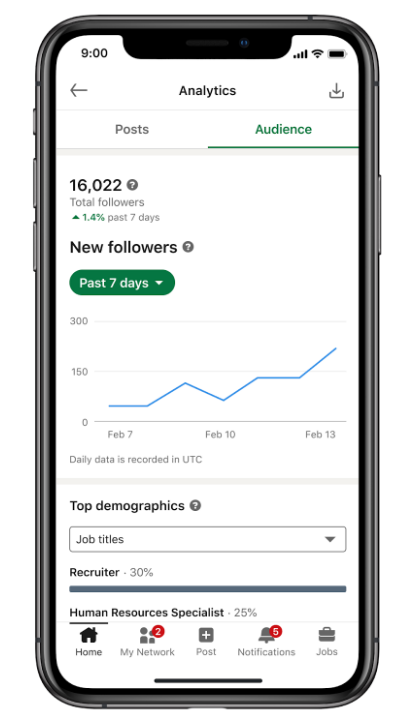
Figure 1 (Source: LinkedIn Official Website)
2. Evaluation Signals: Are Users Exploring Further?
Likes are often social gestures, but clicks represent commercial intent. Only actions that require time investment—such as visiting a website or downloading materials—indicate genuine evaluation behavior.
In several projects, we observed strong engagement metrics but no inbound inquiries. Backend data showed that most interactions stopped at "expand post," with very few users moving further down the funnel.
After restructuring content to guide users toward landing pages, the proportion of website clicks increased significantly. This allowed us to identify users who were actively evaluating solutions rather than passively engaging.
👉 Platform analytics can clearly distinguish between "social interactions" and "website clicks" (see Figures 2 & 3), helping teams identify which users are truly moving into the evaluation stage.
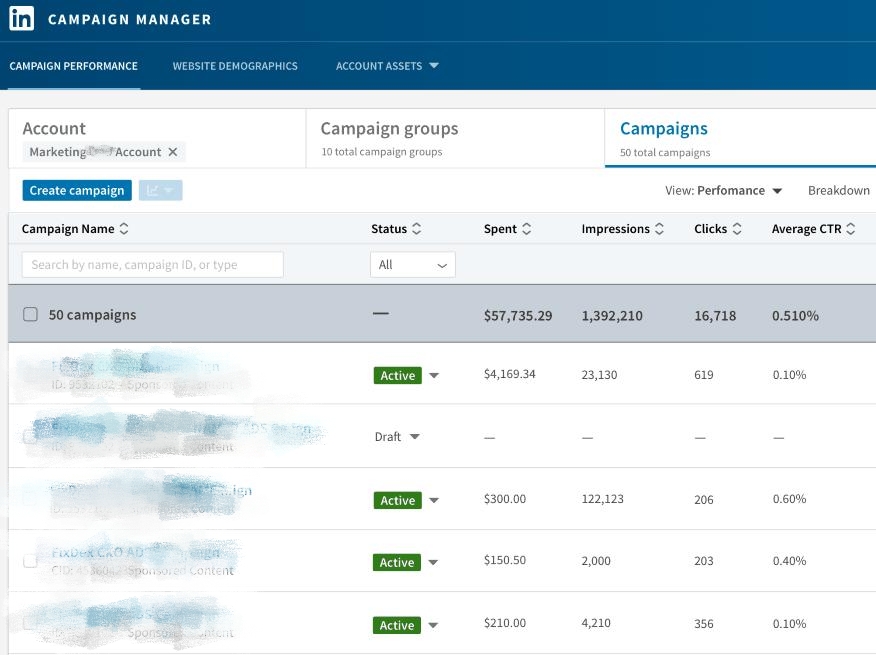
Figure 2: Example of the social interaction statistics interface
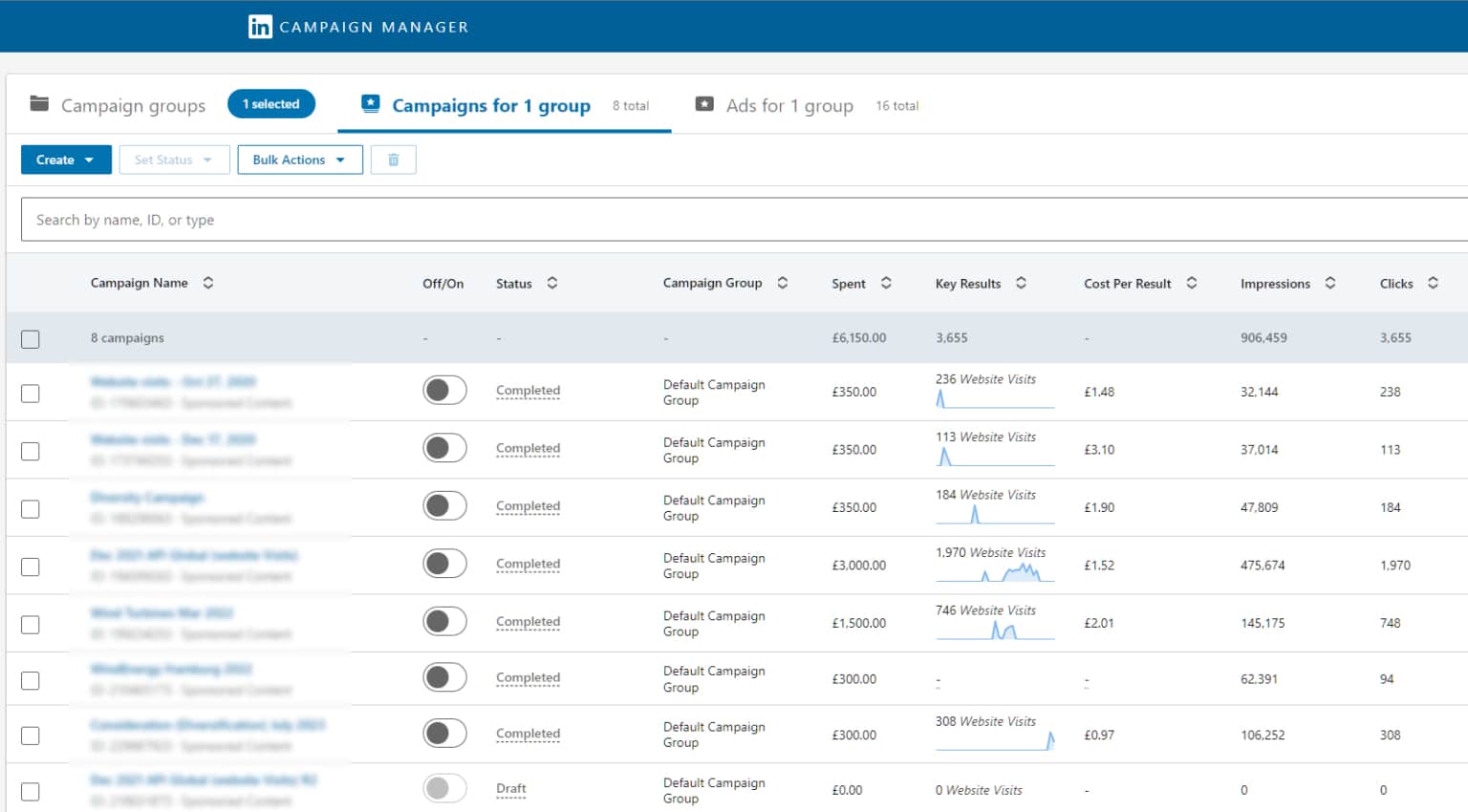
Figure 3: Example of the website click statistics interface
3. Conversion Signals: Are Users Leaving Actionable Information?
Ultimately, leads are not defined by engagement metrics, but by whether users provide actionable and identifiable information.
In practice, some companies report conversion data, yet sales teams struggle to follow up. The issue is often not the absence of submissions, but the lack of usable information—missing company names, job roles, or project context.
Without this data, sales teams cannot assess lead priority or initiate meaningful follow-up, causing potential opportunities to stall or disappear.
👉 As shown in backend conversion data structures (see Figure 4), incomplete lead information significantly reduces follow-up efficiency and conversion potential.

Figure 4 (using Mercedes-Benz as an example)
💡 Landelion Insight:
Real business value emerges when users move from seeing → evaluating → becoming actionable leads.
IV. Why Traffic Fails to Convert into Opportunities
Many companies do not lack traffic—they lack conversion systems. Four common issues explain this gap:
1. Misalignment Between Ads and Landing Pages
If a campaign promotes a white paper but redirects users to a generic homepage, trust is immediately broken. B2B users expect consistency and direct access to promised content.
2. Missing Tracking Infrastructure
Without proper UTM tracking, companies cannot identify which channels or campaigns generate qualified leads. As a result, marketing efforts are seen as costs rather than contributors to growth.
3. Poor Form Design
Forms that are too long discourage submissions; forms that are too short reduce lead quality. Both extremes undermine conversion performance.
4. Misalignment Between Marketing and Sales
Marketing may consider a lead valid, while sales sees it as unusable. Without shared qualification criteria and rapid response mechanisms, opportunities are lost—even when signals exist.
💡 Landelion Insight:
Lead generation success depends not only on content and promotion, but on whether the organization can align around a unified conversion framework.
Conclusion: Exposure Is the Starting Point—Leads Are the Outcome
The value of B2B social media lies not in choosing between visibility and acquisition, but in connecting them. Through consistent content operations and targeted promotion, brand exposure can be systematically transformed into qualified sales opportunities.
When companies shift their focus from surface-level metrics to behavioral intent and signal validation, social media evolves from a cost center into a measurable growth engine.
Only when you understand why users act—not just how many see your content—can you truly unlock the full potential of B2B social media lead generation.
Take Action: Validate Your Social Media Lead Generation System
Landelion helps B2B companies build a structured approach to lead validation across four key dimensions: content strategy, paid media logic, conversion pathways, and signal tracking.
📩 Contact us to receive 15-minute rapid diagnostic session to identify conversion gaps and lost opportunities
💬 Add us on WeChat to book your consultation.
📚 Further Reading
Mastering Global Social Media Content Cadence: A Strategic Blueprint